Bingo as a Community Across Generations

Bingo as a Community Across Generations
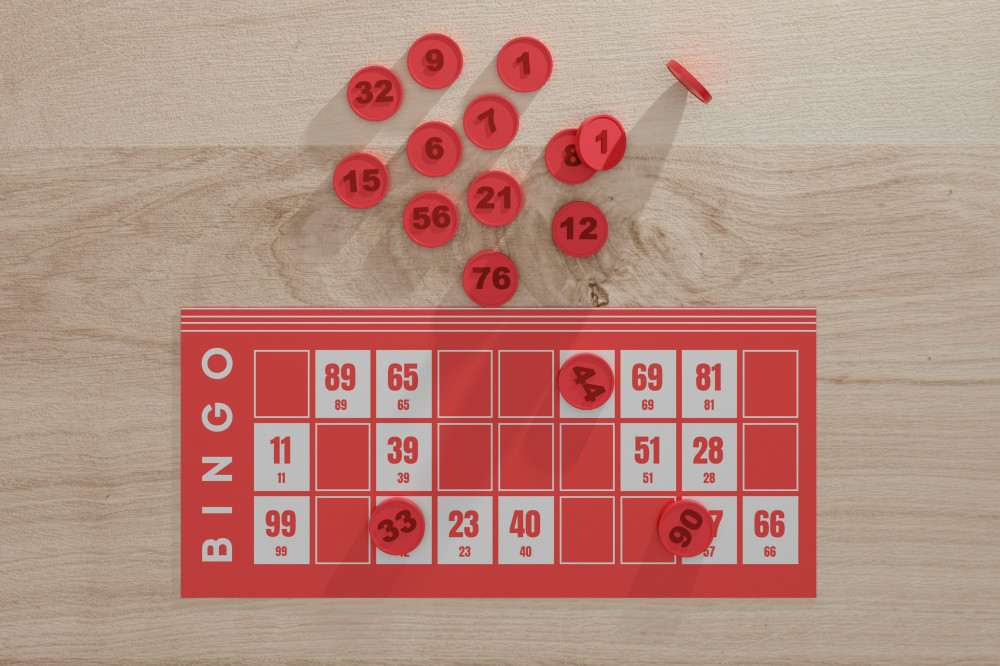
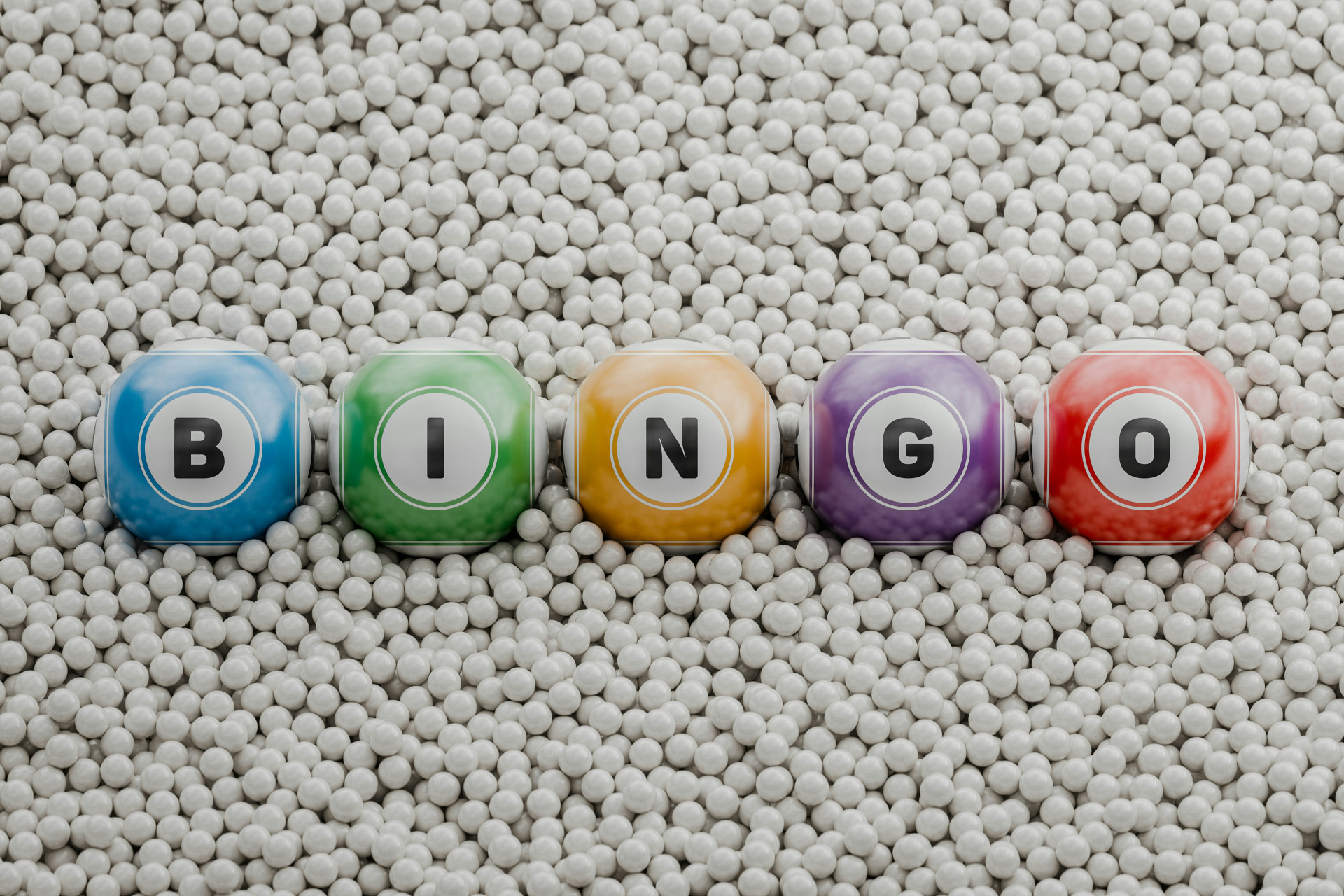
For many Americans, bingo brings to mind lively community halls, the thrill of waiting for that final number, and the joy of shouting “Bingo!” in front of friends and neighbors. But beyond the excitement of winning, bingo has long been a social tradition that connects people across ages, backgrounds, and life experiences. In an era where much of our interaction happens online, bingo continues to offer something refreshingly personal — a sense of belonging and shared fun.
A Game with History and Heart
Bingo’s roots stretch back centuries, but it became a staple of American life in the early 20th century. Church basements, veterans’ halls, and community centers across the country turned bingo nights into weekly rituals. For many, it wasn’t just about the prizes — it was about seeing familiar faces, catching up on local news, and feeling part of a community.
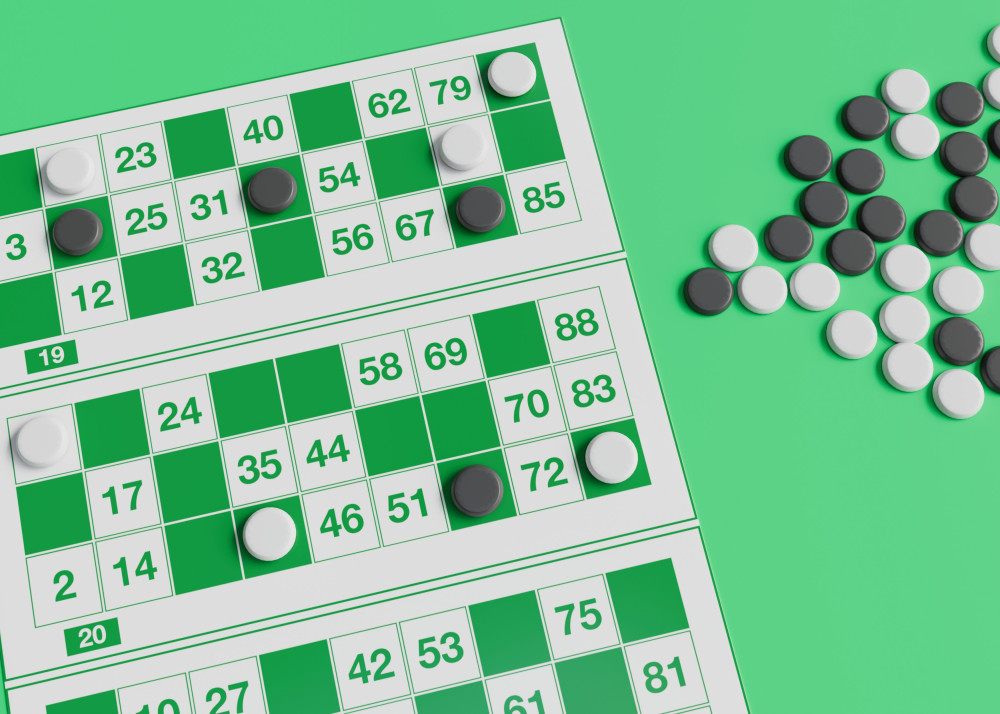
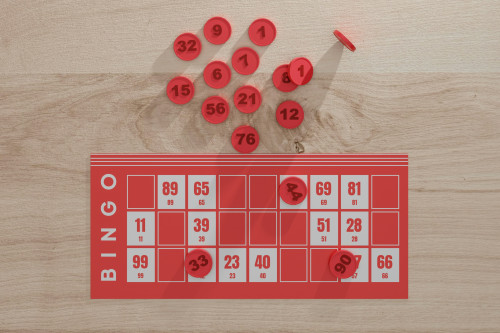
Today, bingo is experiencing a revival. Traditional halls still draw loyal crowds, while online bingo platforms attract younger players who enjoy the mix of chance and connection. The beauty of bingo lies in its simplicity: anyone can play, regardless of age or skill. All you need is a card, a bit of luck, and the willingness to join in. That accessibility makes it a natural bridge between generations.
Community in the Bingo Hall
In towns and cities across the U.S., bingo nights remain a cherished tradition. Grandparents, parents, and kids often gather around tables with snacks and coffee, listening for the next number to be called. For some, it’s the highlight of the week — a chance to get out, laugh, and share time with others.
Organizers and volunteers often say that the real reward isn’t the cash prize or the gift basket, but the camaraderie. There’s friendly teasing, shared stories, and a sense of continuity that keeps people coming back. Many halls have their own customs — favorite seats, lucky charms, and inside jokes that only regulars understand. These small rituals are what turn a simple game into a lasting community.
When Bingo Goes Online
As technology evolves, bingo has found new life on the internet. Online bingo rooms allow players to join from home, yet the social element remains strong. Chat features let players talk, cheer each other on, and even form friendships that extend beyond the game. For older adults who may have mobility challenges, online bingo offers a way to stay connected. For younger players, it’s a fun, low-pressure way to meet people and unwind.
While the setting may be digital, the spirit of togetherness is the same. Bingo continues to adapt, proving that community can thrive in both physical and virtual spaces.
Læs også:

A Game That Bridges Generations
Something special happens when grandparents and grandchildren play bingo together. The game becomes a shared language — one that doesn’t depend on age or experience. Older players can reminisce about how bingo used to be played at the local hall, while younger ones might introduce apps or online versions. It’s a simple activity that fosters laughter, learning, and mutual respect.
Schools, senior centers, and family events across the country have embraced bingo as a way to bring generations together. Teachers use it to make learning numbers and patterns fun, while care homes use it to encourage interaction and memory. In every setting, bingo becomes more than a pastime — it’s a tool for connection.
The Future of Togetherness
At a time when loneliness and isolation are growing concerns, bingo offers a simple but powerful antidote. It doesn’t require expensive equipment or special skills — just people willing to show up and share an experience. Whether played in a church hall, a senior center, or online, bingo reminds us of something essential: the joy of being together.
Bingo may be a game of chance, but its real prize is community — the laughter, stories, and friendships that cross generations and keep the spirit of connection alive.
Læs også: