Patterns in the Dealer’s Play – How to Spot Them Without Breaking the Rules

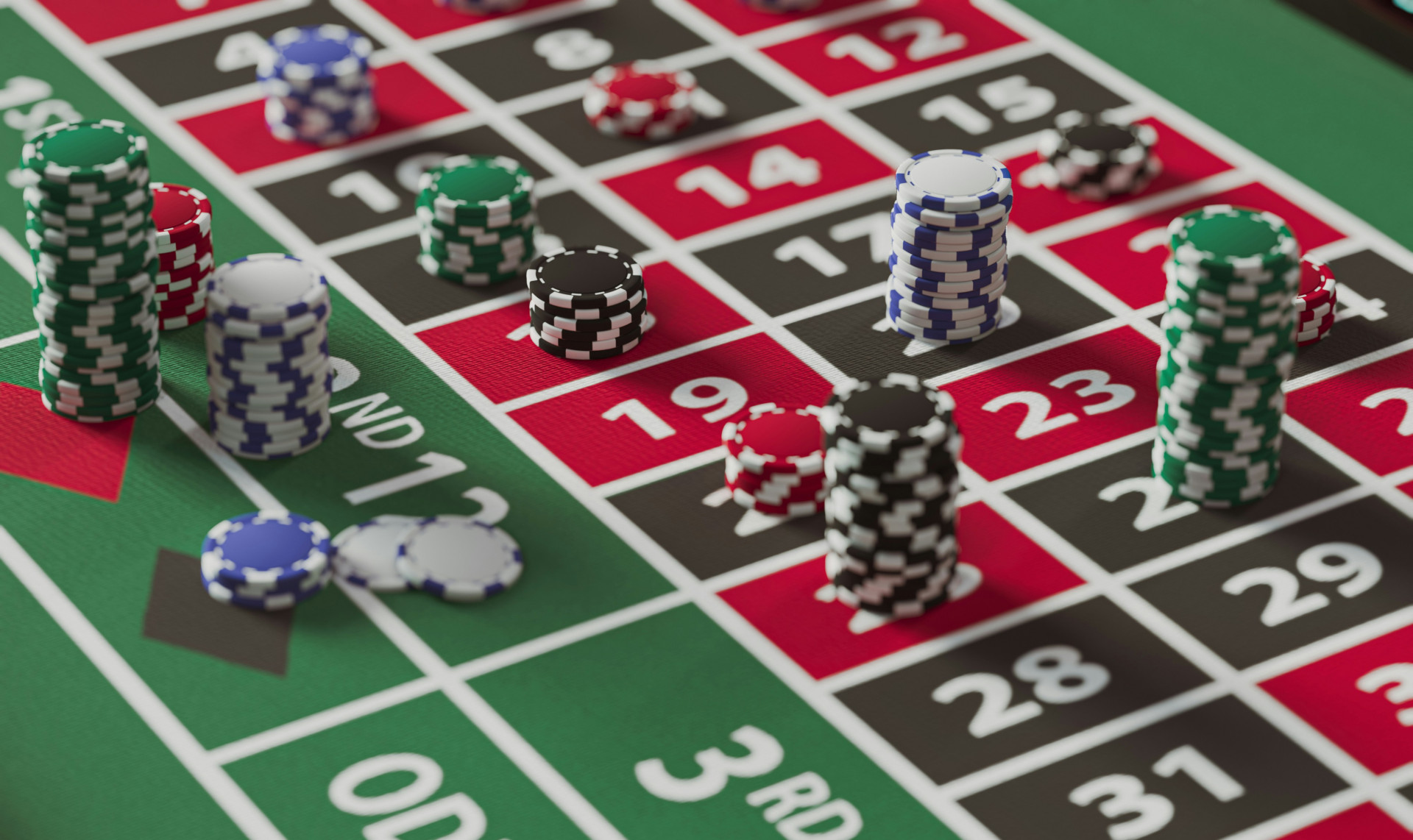
Patterns in the Dealer’s Play – How to Spot Them Without Breaking the Rules
When you sit down at a blackjack or poker table, it’s natural to wonder if the dealer has any habits or patterns you can pick up on. Some players swear they can predict what’s coming next based on the dealer’s rhythm, gestures, or tone of voice. But how much of that is real, and how much is just coincidence? Here’s a guide to understanding what you can observe—and how to use that awareness to your advantage—without crossing any ethical or legal lines.
What Do “Patterns” in the Dealer’s Play Really Mean?
A pattern might be something as subtle as the way a dealer flips a card, pauses between hands, or interacts with players. In reality, most of these differences are simply human habits, not intentional signals. Professional dealers are trained to perform their tasks consistently to prevent players from reading them.
Still, paying attention to the rhythm of the game can help you stay focused and make smarter decisions. It’s not about reading the dealer’s mind—it’s about reading the situation.
Read the Game, Not the Dealer
Instead of trying to interpret facial expressions or hand movements, focus on the flow of play. How many cards have been dealt? What are the odds that the next card will be high or low? These are the kinds of observations that can actually improve your strategy.
- Watch the pace: Some dealers move quickly, others take their time. A slower pace gives you more time to think, while a faster one challenges you to stay sharp.
- Notice the routines: Every dealer follows a set procedure for shuffling, dealing, and collecting bets. Once you’re familiar with that rhythm, you’ll be less distracted and more in control of your own play.
- Tune in to the atmosphere: The mood at the table can influence decisions. A chatty dealer might make the game feel relaxed, but that same energy can lead players to act impulsively.
Læs også:

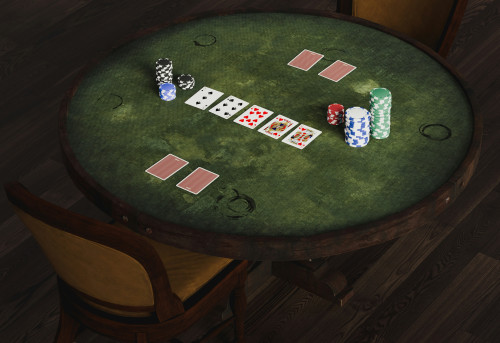
Know the Line Between Observation and Cheating
Observation is fair play—exploitation is not. You’re allowed to notice how the game unfolds, but you’re not allowed to peek at hidden cards, use mirrors, or rely on any kind of device to gain an advantage.
Casinos in the U.S. take cheating very seriously, and surveillance is everywhere. The safest and smartest approach is to focus on what’s openly visible: your cards, the community cards, and the natural rhythm of the game.
Use Psychology, Not Manipulation
Experienced players often use psychology as part of their strategy—not to manipulate others, but to understand how people behave under pressure. Dealers are human too, and while they’re trained to stay neutral, the energy at the table can subtly affect the pace and tone of the game.
If you stay calm, polite, and positive, you’ll not only make the experience more enjoyable but also keep your own mind clear. A relaxed mindset leads to better decisions, and that’s where real skill shows.
Train Your Awareness
Spotting patterns is really about sharpening your attention. You can practice by watching games without playing—observe how the dealer moves, how players react, and how the tempo changes when the stakes rise.
Mindfulness techniques can help too: take deep breaths, stay present, and don’t let emotions drive your choices. The more focused you are, the more you’ll notice the small details that separate casual players from thoughtful ones.
Fair Play Always Wins in the Long Run
It’s tempting to look for “secret tells,” but that’s rarely a winning strategy. Casinos and dealers are professionals, and the games are designed to be fair. The best path to success is a mix of knowledge, discipline, and observation—not shortcuts.
When you play within the rules, you not only protect yourself but also gain a deeper appreciation for the game itself. And that understanding—the ability to stay aware, calm, and strategic—is what truly sets a skilled player apart from a lucky one.
Læs også: