Roulette Around the World: History, Traditions, and Variations

Roulette Around the World: History, Traditions, and Variations
Roulette is one of the most iconic games in the casino world—a blend of chance, excitement, and timeless elegance. From the lavish salons of 18th-century France to the buzzing casino floors of Las Vegas and Macau, roulette has maintained its allure for centuries. Yet, the game is far from uniform. Around the world, different traditions, variations, and playing styles reflect local culture and history.
From French Invention to Global Classic
The story of roulette begins in France in the 18th century. The word roulette means “little wheel,” and the game is believed to have evolved from earlier gambling games and from physicist Blaise Pascal’s experiments with a perpetual motion machine. Early versions of the wheel included both a single zero and a double zero, but in the 1840s, French brothers François and Louis Blanc removed the double zero to improve the player’s odds. Thus, European roulette was born.
When the game crossed the Atlantic to America, the double zero returned—creating the American version that remains popular today. In Europe, roulette became a symbol of sophistication and high society, especially in Monte Carlo, where the casino became synonymous with luxury and luck.
European, American, and French Roulette – What’s the Difference?
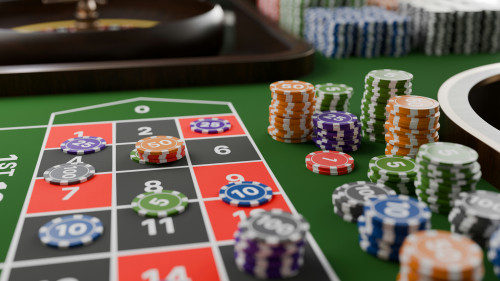
Although the basic principle is the same—a wheel, a ball, and a bet on where the ball will land—the rules and odds vary slightly from one version to another.
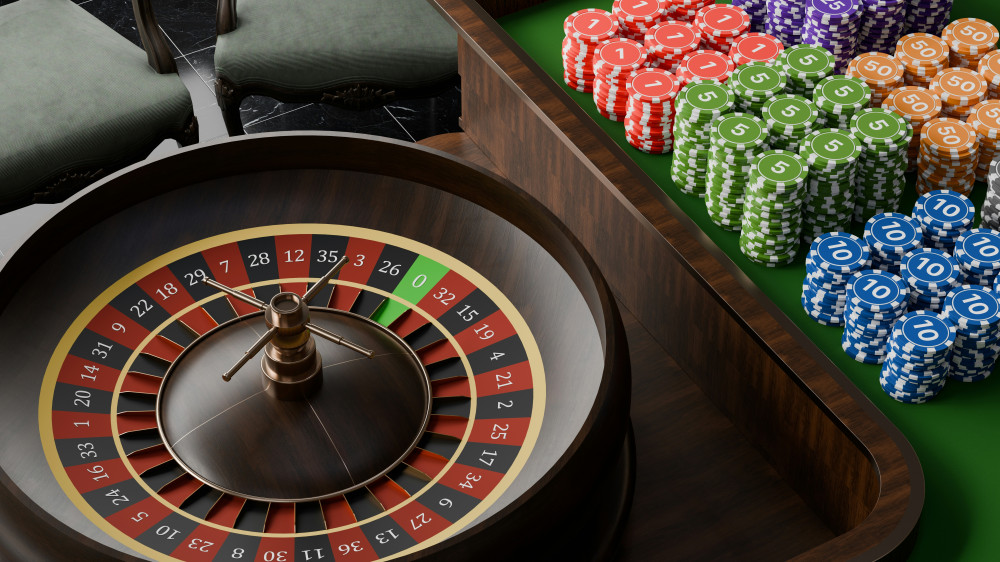
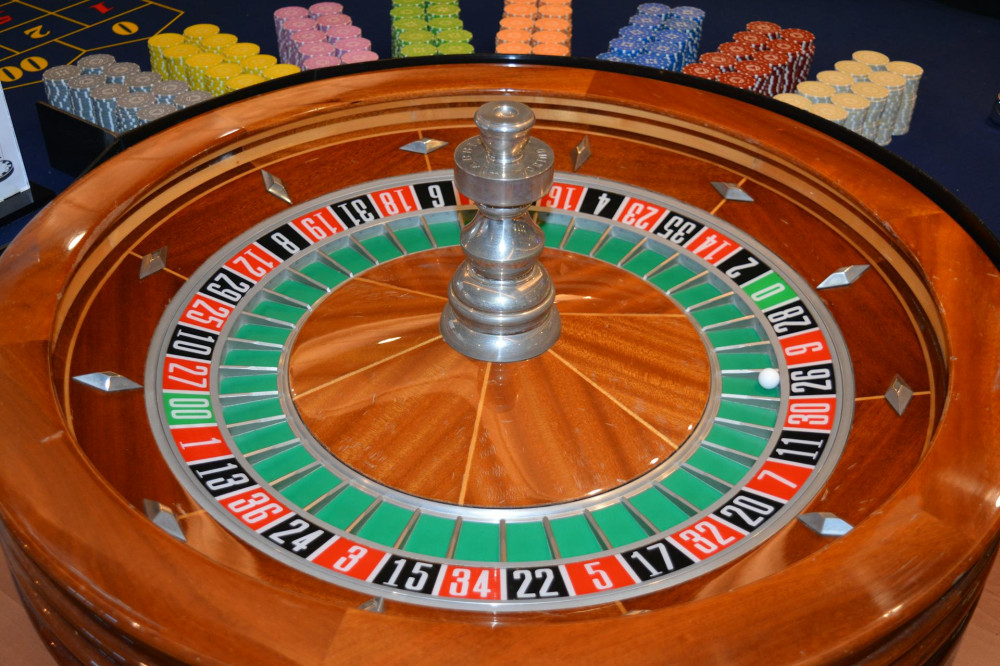
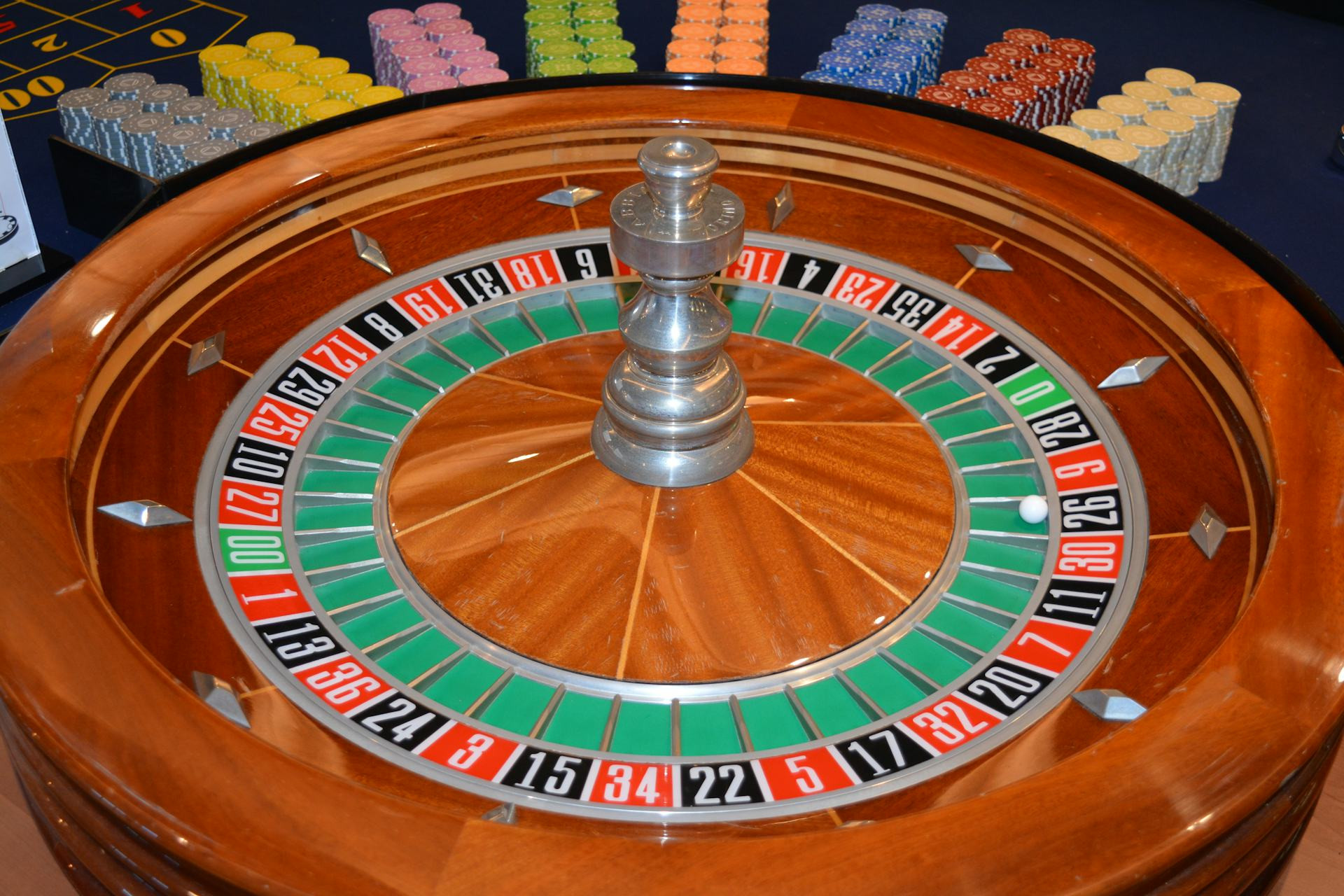
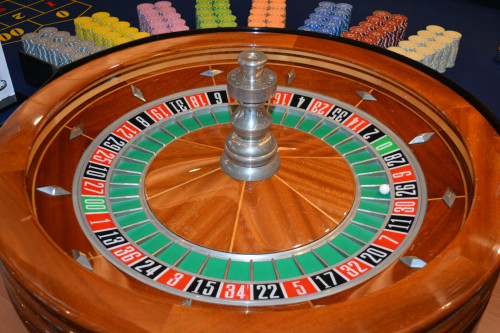
- European Roulette features 37 pockets (0–36) and offers a house edge of about 2.7%. It’s the most common version in Europe and online casinos worldwide.
- American Roulette has 38 pockets (0, 00, and 1–36), which increases the house edge to roughly 5.26%. The faster pace and higher risk appeal to many players in the United States.
- French Roulette is similar to the European version but includes special rules like La Partage and En Prison, which give players a second chance if the ball lands on zero—making it the most player-friendly variant.
These small differences have a big impact on strategy, atmosphere, and the overall experience of the game in different parts of the world.
Læs også:
Roulette as a Cultural Symbol
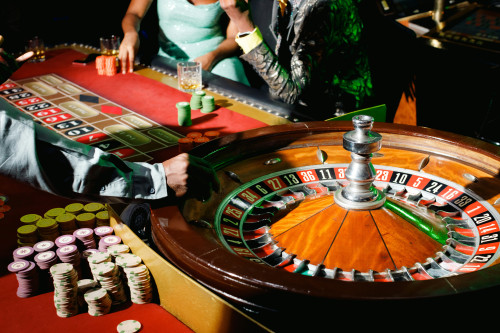
Roulette is more than just a game—it’s a cultural icon. In movies, literature, and popular culture, the spinning wheel often symbolizes fate, risk, and the unpredictability of life. The moment the ball bounces around the wheel captures the thrill of uncertainty, a feeling that transcends generations and borders.
In Europe, roulette is often associated with tradition and elegance—think of Monte Carlo or the classic casinos of London and Baden-Baden. In the United States, the game has taken on a more energetic and accessible character, fitting perfectly into the vibrant atmosphere of Las Vegas. In Asia, particularly in Macau and Singapore, roulette has become part of a modern gaming culture where Western and Eastern influences meet.
Modern Variations and Digital Evolution
The rise of the internet has given roulette a new life. Online casinos now offer countless versions—from classic European roulette to innovative formats featuring multipliers, rapid spins, and live dealers streaming from studios around the world.
Regional adaptations have also emerged. Some Asian versions incorporate colors and symbols with cultural significance, while others blend roulette with elements of TV game shows or lotteries. Technology has made it possible to play roulette anywhere—from desktop computers to smartphones—but the fascination remains the same: that heart-stopping moment when the ball spins and anything can happen.
Traditions and Rituals at the Table
Roulette tables have their own unwritten rules and rituals. Many players have personal habits—some kiss their chips for luck, others always bet on their “lucky number,” often 17, a number with a long-standing reputation among roulette enthusiasts. In Monte Carlo, small, repeated bets are part of a social ritual, while American casinos often emphasize speed, energy, and showmanship.
Even in the online world, these traditions live on. Players share strategies, discuss “hot” and “cold” numbers, and celebrate wins together in chat rooms. It’s a reminder that roulette is not just about mathematics—it’s about emotion, hope, and the shared experience of chance.
A Game That Never Goes Out of Style
Roulette has endured for more than 250 years because it combines simplicity with suspense. The rules are easy to learn, but the outcome is always uncertain. Whether played for fun, for the thrill, or as part of a night out, roulette brings people together across cultures and generations.
From the first wheels in 18th-century France to today’s digital tables, roulette has never lost its magic. It remains a game that reminds us that luck and chance still have a place in a world increasingly driven by logic and technology.
Læs også: