Lose Wisely – How to Handle Losses Without Chasing Wins

Lose Wisely – How to Handle Losses Without Chasing Wins
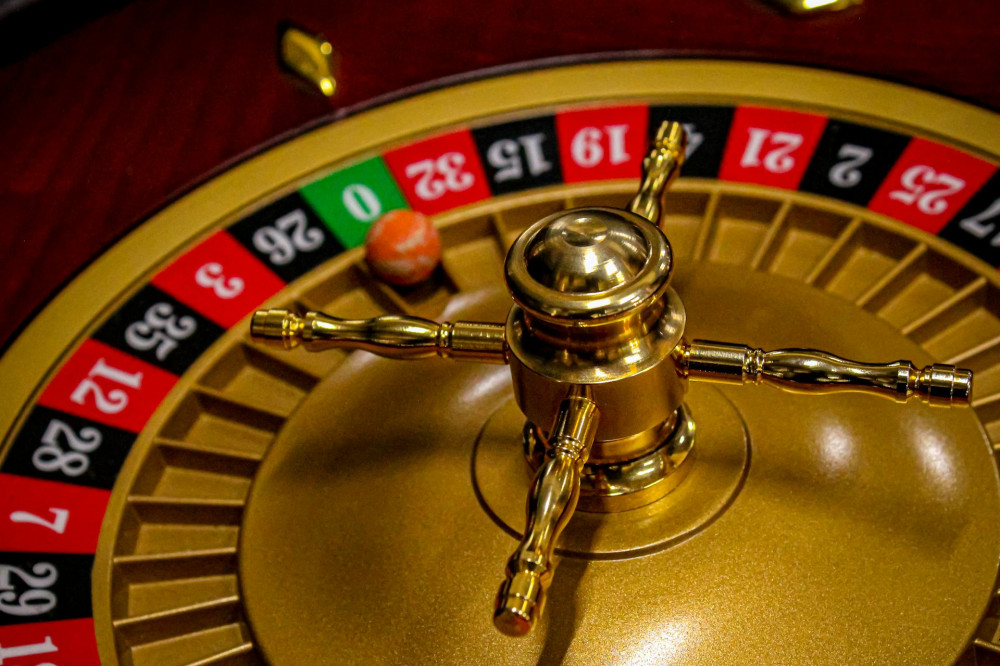
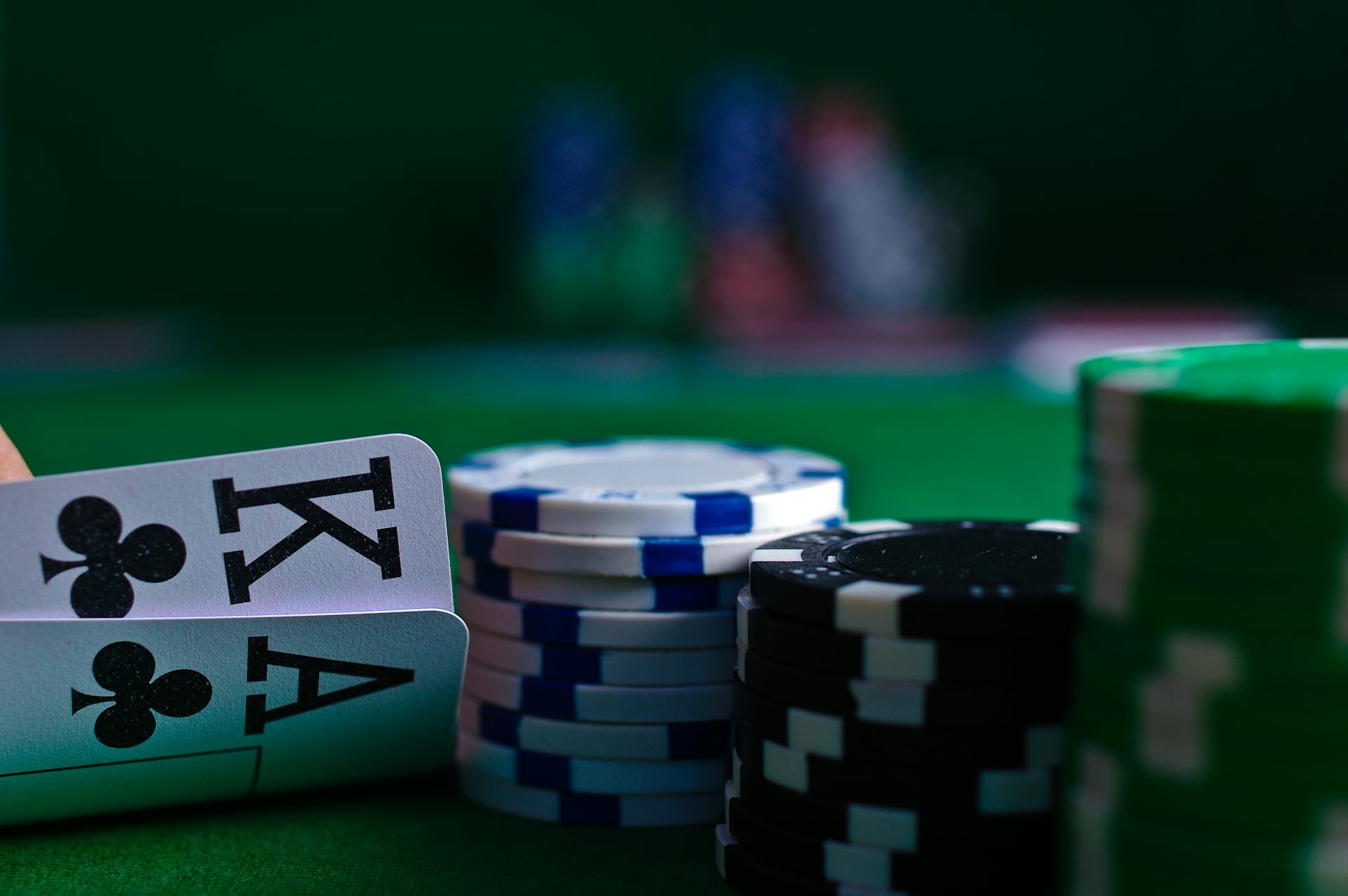
Losing is part of the game – whether you’re playing poker, spinning a roulette wheel, or betting on Sunday’s football games. Still, it can be tough to accept when luck turns against you. Many players instinctively try to win back what they’ve lost, but that’s exactly when control can slip away. Handling losses wisely means staying calm, understanding your emotions, and keeping a clear head while you play.
Here’s how to manage losses in a healthy way – without letting the chase for wins take over.
Understand Your Emotions When You Lose
A loss can trigger strong emotions: frustration, disappointment, even anger. That’s completely normal – your brain reacts to loss as a kind of shock. But if you act on those feelings instead of acknowledging them, you risk making poor decisions.
When you feel yourself getting upset, take a break. Step away from the game, go for a walk, or do something completely different. Giving your mind time to reset helps you think clearly again.
Being able to say “it’s just a game” takes practice, but it’s one of the most important skills for any responsible player.
Set Limits – and Stick to Them
One of the most effective ways to handle losses is to set firm limits on how much time and money you’re willing to spend.
- Create a budget: Decide in advance how much you can afford to lose, and treat it as the cost of entertainment.
- Use time limits: Set an alarm or use built-in gaming tools to remind you when it’s time to stop.
- Take breaks: Even short pauses can help you stay in control and avoid impulsive decisions.
Once you’ve set your limits, stick to them – especially when you feel like you’re “just about” to win again. That’s when discipline matters most.
Don’t Chase Losses
“Chasing losses” means continuing to play in an attempt to win back what you’ve lost. It might feel like a logical reaction, but in reality, it often leads to even bigger losses.
When you chase losses, you’re no longer playing for fun – you’re playing to fix something, and that changes your mindset completely. The odds don’t shift in your favor just because you’ve been losing.
The best thing you can do is accept the loss as part of the game and stop when you feel the urge to “make it right.” It takes self-control, but that’s the key to maintaining a healthy relationship with gambling.
Learn From Your Experiences
Every game – and every loss – can teach you something valuable. Ask yourself: What happened? Was it a conscious choice, or did I get caught up in the moment?
Reflecting on your decisions helps you recognize patterns in your behavior. Maybe you notice that you tend to play more when you’re tired or stressed. That kind of insight makes it easier to take responsibility for your choices in the future.
Playing wisely isn’t about avoiding mistakes – it’s about learning from them.
Play for the Experience – Not the Outcome
When you see gambling as entertainment rather than a way to make money, the whole experience changes. You can enjoy the excitement, the strategy, and the social aspect – without letting the results define your mood.
That doesn’t mean you can’t hope to win, but it does mean accepting that losses are a natural part of the game. This mindset makes it easier to stop in time and keep the experience positive, no matter the outcome.
Læs også:


Seek Support if Gambling Becomes Too Much
If gambling starts to affect your finances, mood, or relationships, it’s important to reach out for help. In the U.S., you can contact the National Problem Gambling Helpline at 1-800-GAMBLER for free, confidential support 24/7.
Reaching out isn’t a sign of weakness – it’s a sign of strength and responsibility.
In the end, playing wisely is about staying in control, knowing your limits, and remembering that gambling should be fun – not stressful.
Læs også: