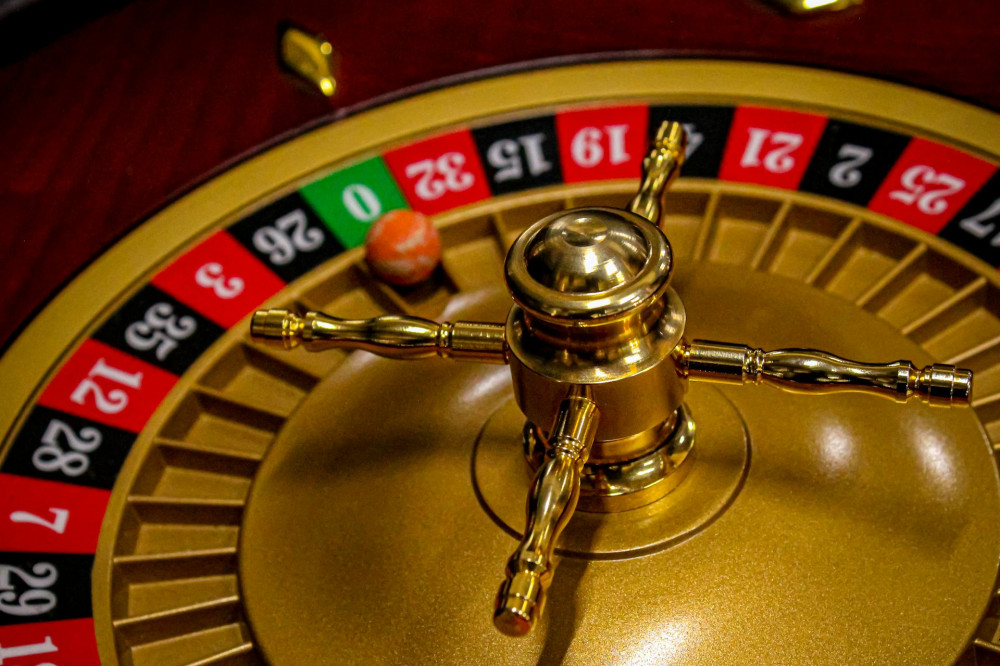
The Casino’s Influence on Fashion and Lifestyle Through the Ages

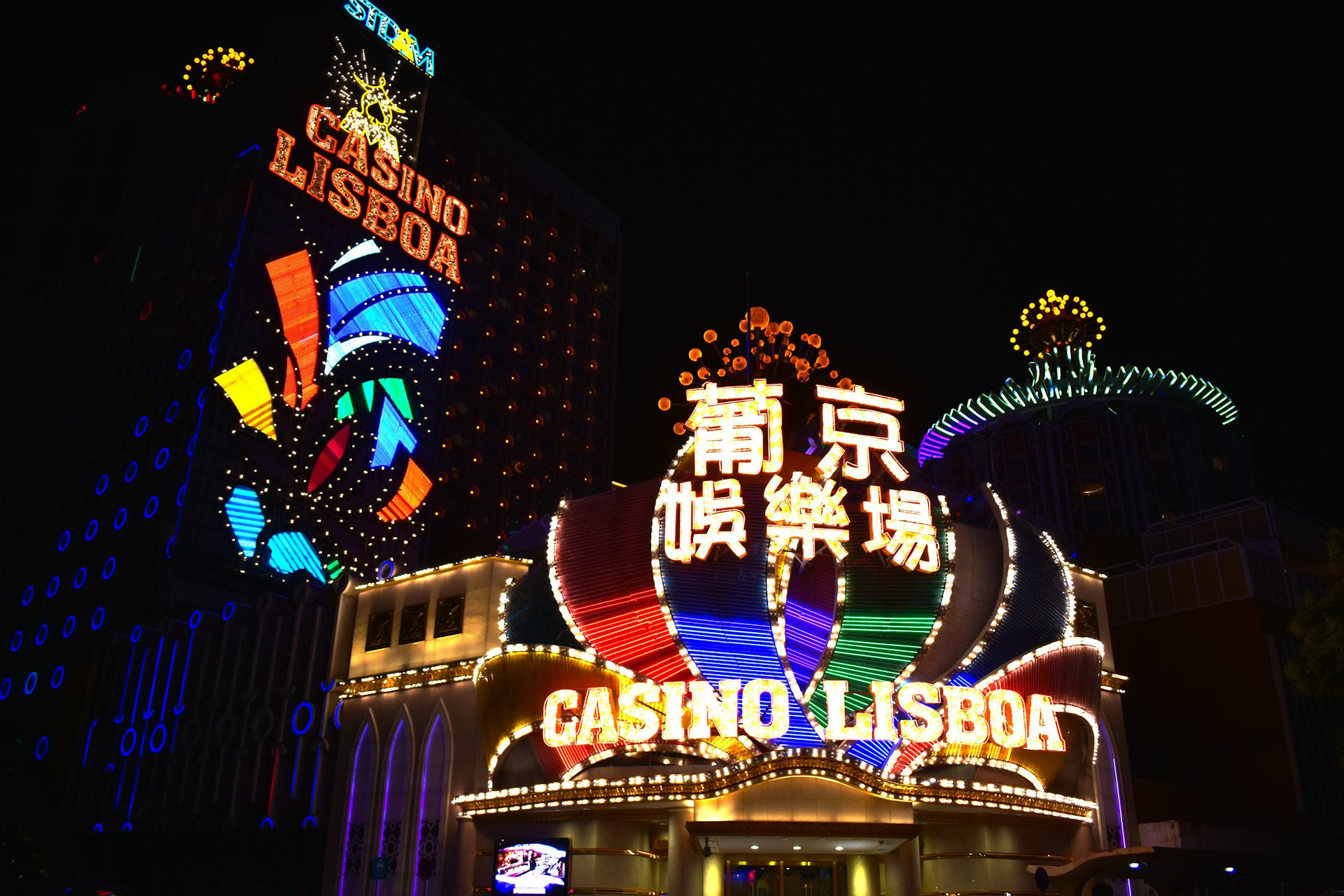
The Casino’s Influence on Fashion and Lifestyle Through the Ages
The casino has always been more than a place for games of chance. It has served as a cultural stage where fashion, status, and lifestyle converge. From the opulent halls of Monte Carlo to the neon-lit avenues of Las Vegas, the casino has shaped how people dress, behave, and dream of the good life. Over the centuries, its atmosphere and aesthetics have influenced everything from clothing design and film to social norms and leisure culture.
The Early Casinos – Elegance and Exclusivity
When Europe’s first casinos emerged in the 18th and 19th centuries, they were reserved for the aristocracy and the wealthy elite. Venues like the Casino di Venezia and Monte Carlo Casino became symbols of refinement and luxury. Dress codes were strict: men in tuxedos, women in long gowns and jewels. Fashion and etiquette went hand in hand—one didn’t just play; one performed.
This early connection between gaming and style established the casino as a place where social status was expressed through appearance and behavior. The games were not only on the tables but also in the way people presented themselves.
Hollywood and the Age of Glamour
In the 20th century, the casino became a fixture of popular culture. Hollywood films such as Casablanca and the James Bond series turned the casino into an icon of sophisticated excitement. The classic tuxedo, the elegant cocktail dress, and the sparkle of diamonds became symbols of a lifestyle where risk met refinement.
Hollywood’s portrayal of the casino as a realm of glamour and intrigue directly influenced the fashion world. Designers began creating collections inspired by casino aesthetics—luxurious fabrics, sharp tailoring, and an aura of exclusivity. Even today, traces of that influence can be seen in evening wear, accessories, and fragrances that promise “thrill and elegance.”
Las Vegas and the American Dream
When Las Vegas rose to prominence in the mid-20th century, the casino’s role transformed. It was no longer just for the elite but became an entertainment hub for everyone. The fashion followed suit: from classic tuxedos to colorful suits, sequined dresses, and show costumes. The casino became a place to experiment with style and identity.
Las Vegas embodied the American Dream—the idea that anyone could strike it rich and live in abundance. This dream was reflected in lifestyle trends: flashy cars, luxury hotels, and a love for the spectacular. The city’s energy inspired a new kind of fashion—bold, playful, and unapologetically extravagant.
The Digital Casino and Modern Elegance
In the 21st century, the casino has moved from physical halls to digital platforms. Online casinos have changed not only how people play but also how they experience the casino’s aesthetic. Instead of dressing up for a night out, players now create atmosphere at home: a glass of wine, dim lighting, perhaps a virtual background reminiscent of Monte Carlo.
At the same time, casino-inspired visuals have found new life in fashion and design. Graphic patterns based on playing cards, luxurious materials, and color palettes of gold, black, and red appear in both clothing and interior design. The digital age has made casino glamour more accessible—yet also more understated.
Læs også:

The Enduring Symbolism of the Casino
Though the casino has evolved over time, its symbolism remains constant: it represents the dream of luck, luxury, and mastery over fate. It is a space—physical or virtual—where one can step out of the ordinary and into a world of possibility.
Fashion and lifestyle have always been ways to express that dream. Whether in a tailored tuxedo, a shimmering gown, or a sleek outfit in front of a computer screen, it’s about feeling like the main character in one’s own game.
The casino’s influence on fashion and lifestyle is therefore not just historical—it continues to shape how we dream, dress, and define ourselves today.
Læs også: